Table of Contents
- Introduction
- Orlando’s Unique Climate Challenges
- How Heat Affects HVAC Systems
- How Humidity Affects HVAC Systems
- Common HVAC Problems in Orlando Homes
- Long-Term Effects of Ignoring HVAC Issues
- Preventive Maintenance Tips
- Professional HVAC Services in Orlando
- Conclusion
1. Introduction
Orlando is known for its sunshine, theme parks, and vibrant lifestyle. But living here also means dealing with year-round heat and high humidity levels. While these conditions are part of Florida’s charm, they create a constant battle for your HVAC system. Understanding how Orlando’s climate affects your equipment helps you take proactive steps to protect your comfort and reduce costly repairs.
2. Orlando’s Unique Climate Challenges
Unlike many parts of the U.S., Orlando’s climate is subtropical, meaning:
- High average temperatures – Summer highs often exceed 90°F.
- Humidity levels above 70% – Making homes feel warmer than the thermometer shows.
- Heavy rainfall and storm season – Frequent downpours and hurricane activity put HVAC units at risk of flooding or power surges.
This environment forces HVAC systems to work almost nonstop, leading to more frequent wear and tear.
3. How Heat Affects HVAC Systems
When outdoor temperatures climb, your system needs to run longer to maintain a cool indoor environment. This can result in:
- Higher energy bills – A system running constantly uses significantly more electricity.
- Compressor overload – The heart of your AC works overtime, increasing the risk of breakdowns.
- Reduced lifespan – Components wear out faster, meaning replacements may come sooner than expected.
4. How Humidity Affects HVAC Systems
Humidity is often a bigger issue than the heat itself in Orlando:
- Moisture overload – Your AC is forced to dehumidify the air while cooling, adding strain.
- Poor indoor air quality – Damp environments encourage mold, bacteria, and dust mites.
- Comfort imbalance – Even if your thermostat says 72°F, high humidity can make it feel like 78°F or higher.
- Condensation issues – Excess moisture can cause water damage or leaks around the HVAC unit.
5. Common HVAC Problems in Orlando Homes
Because of Orlando’s climate, homeowners frequently experience:
- Frozen evaporator coils from overworked systems.
- Clogged or dirty air filters that need replacement more often.
- Mold and mildew growth inside ducts and vents.
- Thermostat misreadings due to constant indoor/outdoor changes.
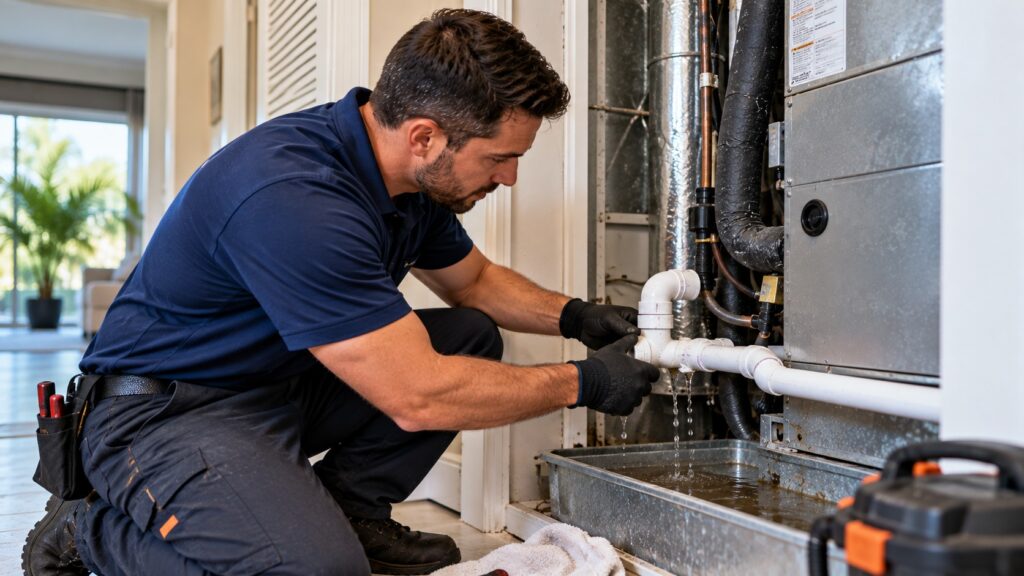
- Drain line clogs caused by high moisture buildup.
6. Long-Term Effects of Ignoring HVAC Issues
If maintenance is skipped, problems can escalate:
- Shorter equipment lifespan – Units that should last 12–15 years may fail in 7–10.
- Poor indoor air quality – Leading to allergies, asthma, and respiratory problems.
- Unexpected repair costs – Emergency breakdowns are more expensive than preventive care.
- Reduced home value – A failing HVAC system can be a red flag for potential buyers.
7. Preventive Maintenance Tips
To stay ahead of Orlando’s climate challenges, follow these best practices:
- Change air filters every 30 days during summer.
- Schedule bi-annual tune-ups before summer and winter.
- Install a whole-home dehumidifier for balanced comfort.
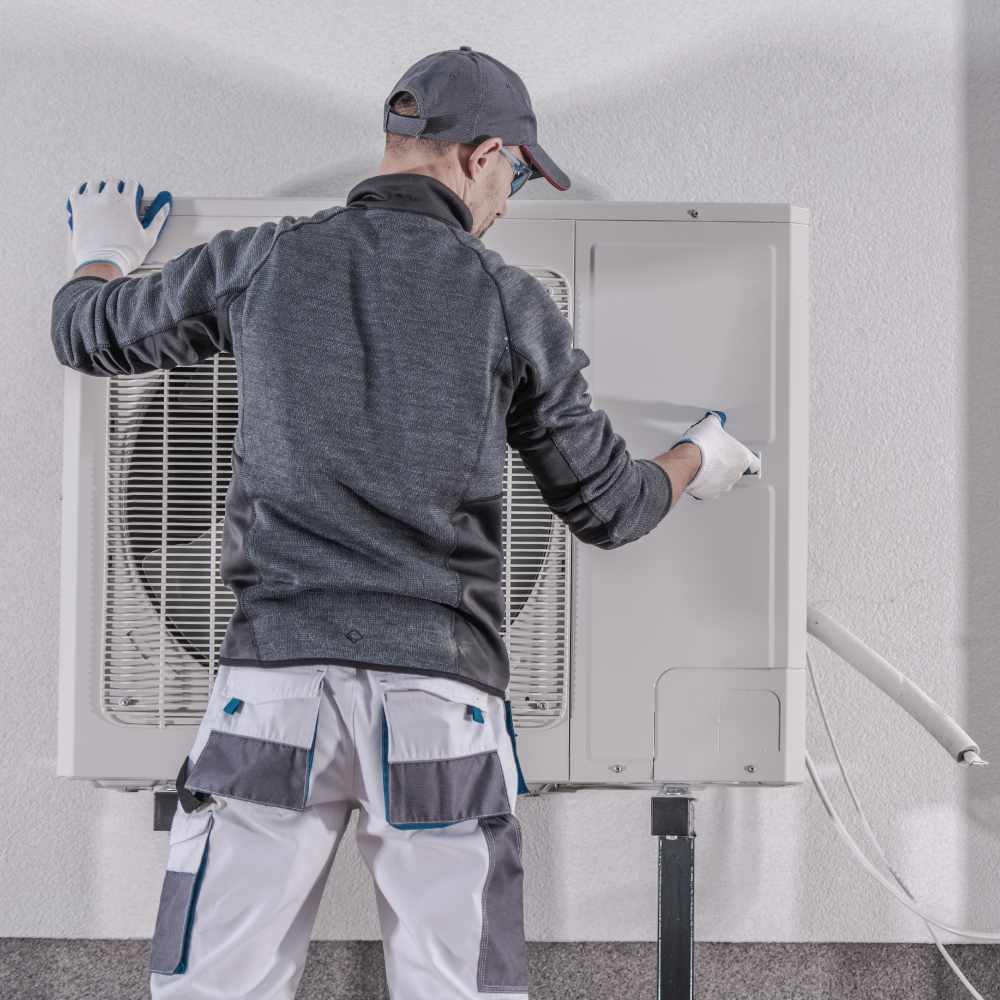
- Keep the outdoor unit clear of leaves, plants, and storm debris.
- Consider a programmable or smart thermostat to regulate usage efficiently.
8. Professional HVAC Services in Orlando
DIY maintenance helps, but nothing replaces professional care. Licensed technicians can:
- Check refrigerant levels and fix leaks.
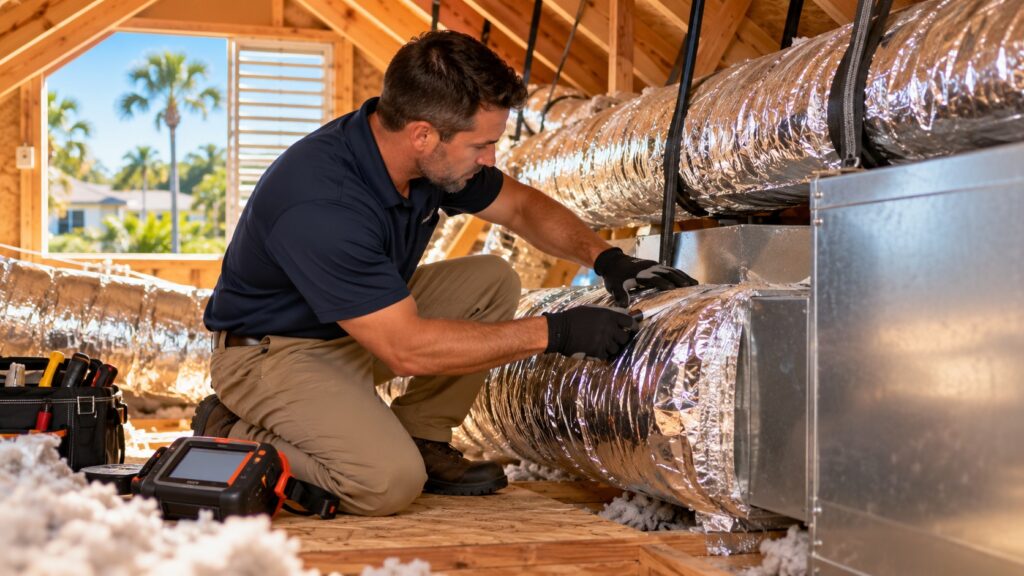
- Clean coils and ductwork for efficiency.
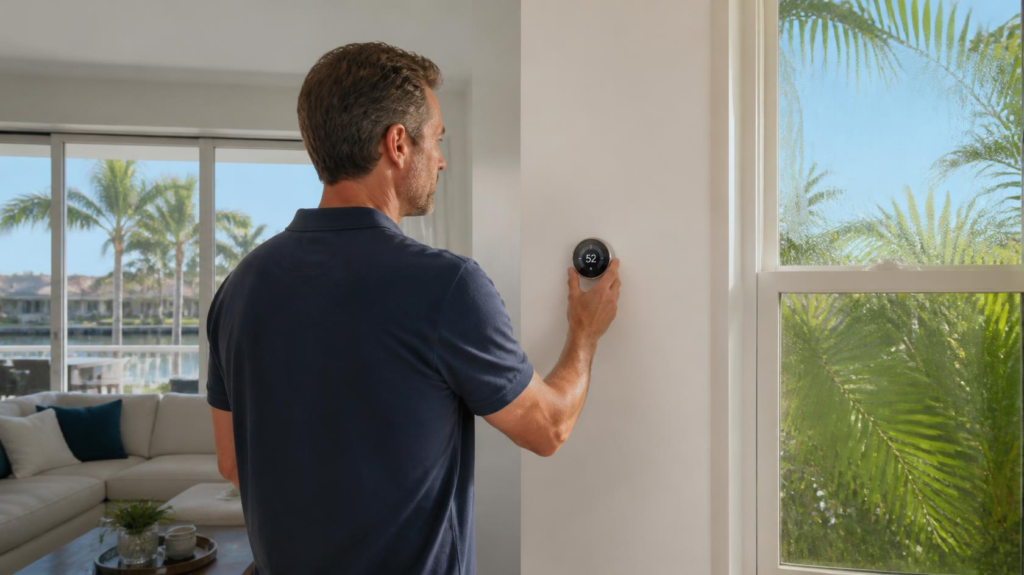
- Calibrate thermostats for accurate temperature control.
- Inspect for storm-related damage after hurricane season.
With expert service, you’ll enjoy:
- Lower monthly energy costs.
- Longer-lasting equipment.
- Healthier indoor air.
- Peace of mind when summer peaks.
9. Conclusion
Orlando’s climate is beautiful but demanding. Heat and humidity work against your HVAC system daily, but with proper maintenance and professional support, you can protect your comfort and your investment. By staying proactive, you’ll enjoy cooler summers, healthier air, and lower utility bills year-round.
❓ FAQ
Q1: Why does my AC run constantly in Orlando summers?
Because it’s working to remove both heat and humidity, which requires longer cycles.
Q2: How often should I replace my HVAC filter in Florida?
At least once per month during high-use months.
Q3: Can a dehumidifier improve AC performance?
Yes — it reduces moisture load, allowing your AC to cool more efficiently.
Q4: Should I get my HVAC checked after a hurricane?
Absolutely. Flooding, power surges, and debris can all damage your system.